 (248) 350-2323

Michigan winters can be beautiful, but they’re also notoriously tough on residential roofs. Between heavy snowfall, freeze–thaw cycles, and bitter temperatures, even well-built roofing systems face seasonal challenges. In today’s post, we’re taking a closer look at one of the two most common winter roofing issues our team encounters every year. We’ll break down what causes the problem, why it matters, and how homeowners can stay ahead of it.
Common Michigan Winter Roofing Issues
Here at American Standard Roofing, our experts agree that the two most common winter roofing issues are:
- Ice dams and buildup
- Leaking roofs
As mentioned above, for the sake of brevity, we will go over ice dams and buildups today. We will cover Leaking Roofs in a follow-up article.
Ice Buildup Explained
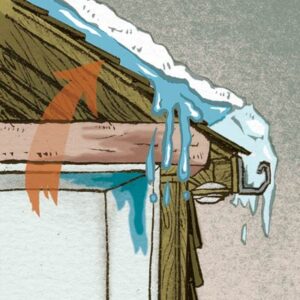
Ice dams are a frequent problem during Michigan winters, especially in regions that see heavy snowfall and fluctuating temperatures. The process is simple but damaging: snow on your roof melts when temperatures rise above freezing. As temperatures drop again, that melted snow refreezes along the roof edges, forming ice dams.
These ice formations trap water behind them, which can seep under shingles and cause long-term damage to your roof structure. Beyond shingle damage, ice dams can also affect gutters, siding, and even the interior of your home. Left untreated, the financial cost and stress of repairing winter roof damage can be significant.
Signs of Ice Buildup
Homeowners should be aware of warning signs indicating that ice buildup may be occurring. These include:
- Icicles hanging from eaves or gutters
- Water stains or leaks inside the home near the roofline
- Shingle damage or curling edges along the roof
- Frozen water in gutters preventing proper drainage
If you notice any of these signs, it’s important to address the problem promptly before it escalates. Even minor ice buildup can quickly lead to leaks, shingle damage, and costly repairs if ignored. Acting early helps protect your home, preserve your roof’s lifespan, and prevent winter weather from causing more significant issues.
Prevention Tips
Preventing ice dams is far easier, safer, and more cost-effective than trying to repair the damage they can cause once they’ve formed. Taking a few simple precautions now can help protect your shingles, gutters, and attic. Below are several practical, homeowner-friendly tips from our team to help you stay ahead of winter roofing problems.
1. Clear Snow After Heavy Storms
Removing excess snow after significant snowfall reduces the risk of ice dams. Using a roof rake or hiring professionals to clear your roof can prevent ice from forming along the edges and save you from costly repairs later. Regular snow removal also helps maintain even roof temperatures, minimizes strain on your roofing system, and keeps meltwater flowing properly instead of refreezing in vulnerable areas.
2. Maintain Gutters and Downspouts
Proper water drainage is crucial. Make sure gutters and downspouts are free of debris and functioning correctly. Blocked gutters can cause water to back up and freeze, leading to ice buildup and potential roof damage. Keeping these systems clean allows melting snow to move safely away from your home. It also reduces added weight on gutter brackets, prevents overflow near your foundation, and helps your roofing materials stay dry and protected throughout winter.
3. Improve Insulation and Ventilation
A well-insulated attic helps maintain a stable roof temperature, preventing uneven snowmelt that leads to ice dams. Ventilation allows cold air to circulate, keeping your roof close to the outdoor temperature and minimizing the risk of ice formation. When insulation and ventilation work together, they reduce heat loss from your living space, protect your roof decking, and improve overall energy efficiency. This combination also helps prevent moisture buildup in the attic, reducing the chances of mold growth and structural deterioration over time.
4. Schedule Professional Inspections
Annual roof inspections from certified roofing contractors help identify potential trouble spots before winter arrives. Our experts can assess your roof’s condition, suggest insulation or ventilation improvements, and ensure your home is ready for Michigan’s harsh winters. These inspections also allow us to catch small issues like loose shingles, failing seals, or early moisture damage before they turn into expensive repairs. A proactive approach gives homeowners confidence and keeps roofing systems performing reliably all season long.
5. Consider Ice and Water Shielding
For homes in areas with heavy snowfall, installing ice and water shields under shingles can provide an extra layer of protection. This added barrier helps prevent water from seeping into the roof deck when ice dams form. Additionally, these shields reinforce vulnerable roof areas, reduce the risk of leaks, and extend the lifespan of your roofing system. They work alongside proper insulation and ventilation to keep your home dry and secure throughout harsh Michigan winters, giving homeowners peace of mind and protecting against costly winter damage.
Why Professional Help Matters
While some preventative measures can be done by homeowners, ice dam removal and prevention often require professional expertise. Attempting to remove ice yourself can be dangerous, and improper methods can damage your roof further. Our team at American Standard Roofing has decades of experience managing winter roofing issues and can provide safe, effective solutions.
Here for All Your Roofing Needs
We are certified and licensed roofing contractors with over 36 years of experience in the industry. At American Standard Roofing, our reputation is built on quality and reliability. We never sacrifice excellence for quick profits, and we stand behind every service we provide, both labor and materials, for the lifetime of your roof.
That commitment is why we are recognized as #1 metro Detroit roofers. Whether you need preventative services, roof repair, or a full roof replacement, our team is here to help. Give us a call today at (248) 350-2323 or contact us online and let us protect your home this winter.