
 (248) 350-2323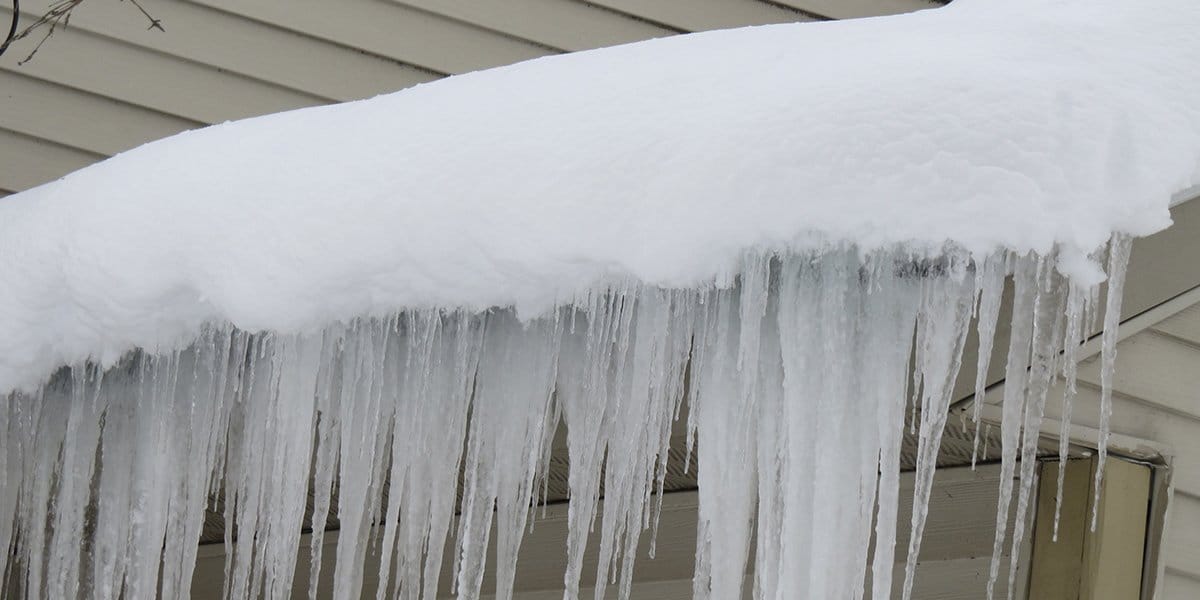
Ice dams are a common and often misunderstood winter roofing issue. They tend to form quietly during periods of snow accumulation and freezing temperatures, yet the damage they cause can be extensive. While ice dams are visible along the edges of a roof, the most serious problems usually occur out of sight, beneath shingles and inside the home.
Understanding how ice dams form and how gutters and proper ventilation help prevent them is essential for protecting your roof and maintaining the long-term health of your home.
What Are Ice Dams and Why Do They Form?
Ice dams develop when snow on a roof begins to melt unevenly. Heat escaping from the home warms portions of the roof surface, causing snow to melt and flow downward. When this water reaches the colder edges of the roof, it refreezes and forms a ridge of ice.
As this cycle continues, the ice dam grows thicker. Additional melting snow has nowhere to drain and begins to pool behind the ice. This trapped water can work its way under shingles, bypassing the roofing system’s natural water-shedding design.
How Ice Dams Lead to Roof and Interior Damage
Although ice dams form on the exterior, the damage they cause often affects multiple parts of the home. Water that backs up beneath shingles can saturate roof decking and insulation. Over time, this moisture may lead to ceiling stains, peeling paint, warped materials, and mold growth.
Ice dams also place extra weight and stress on gutters. As ice accumulates, gutters can pull away from the roofline or become damaged, reducing their ability to manage water once temperatures rise. These issues often persist beyond winter if not addressed.
The Role Gutters Play in Managing Winter Water Flow
Gutters are designed to direct water away from the roof and foundation. During winter, they play a critical role in managing melting snow and ice. When gutters are clear and properly secured, they help ensure water can drain away efficiently.
Clogged or damaged gutters interrupt this process. Leaves, debris, or ice buildup can block water flow, causing water to back up and refreeze at the roof’s edge. Regular gutter maintenance helps reduce the risk of ice dam formation and protects both the roof and exterior of the home.
Why Proper Ventilation Is Essential for Ice Dam Prevention
Roof ventilation helps regulate attic temperature and prevent uneven heat buildup beneath the roof deck. When ventilation is properly balanced, cold air circulates through the attic, keeping the roof surface closer to the outdoor temperature.
Inadequate ventilation allows heat to accumulate in the attic, warming sections of the roof and accelerating snow melt. This temperature imbalance is one of the primary contributors to ice dam formation. Proper ventilation helps minimize melt and refreeze cycles, reducing the conditions that allow ice dams to develop.
Warning Signs That Ice Dams May Be a Problem
Homeowners may notice large icicles forming along roof edges or gutters during winter. While icicles alone do not always indicate ice dams, they can signal poor drainage or uneven roof temperatures. Interior signs, such as water stains near exterior walls or ceilings, may also point to ice dam-related leaks.
If ice dams have formed in the past, it often indicates underlying issues with ventilation, insulation, or gutter performance that should be evaluated.
Protecting Your Roof Through Winter and Beyond
Ice dams are not just a seasonal nuisance. They are a sign that moisture management and temperature control within the roofing system may be compromised. Understanding how gutters and proper ventilation work together helps homeowners take proactive steps to protect their roofs.
A well-maintained roofing system with clear gutters, balanced ventilation, and proper insulation provides strong defense against winter damage and helps extend the life of the roof. Contact us to learn more.