
 (248) 350-2323
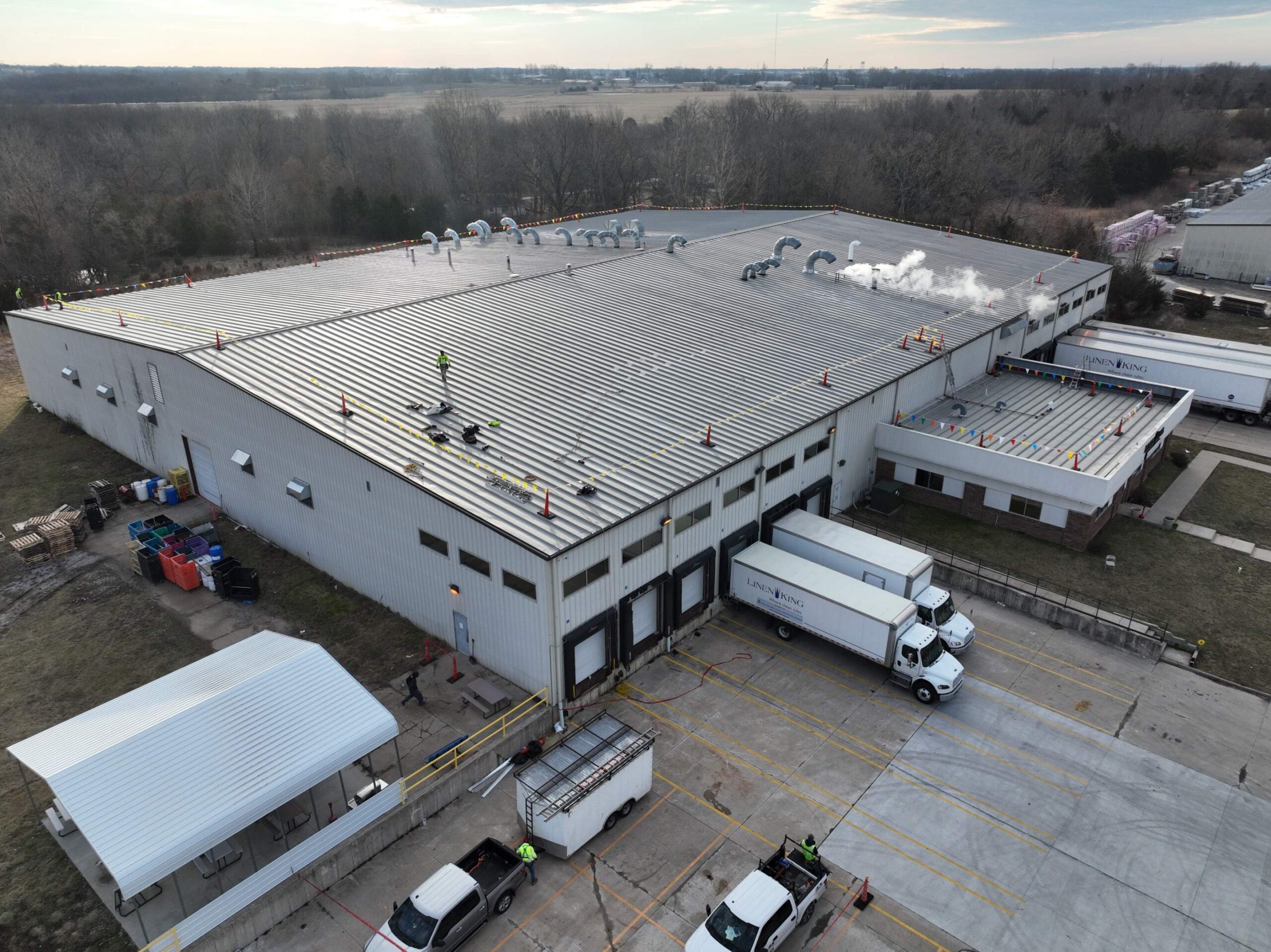
A small exterior problem can turn into a much larger expense when it goes unnoticed.
Loose flashing, a damaged roofing membrane, blocked drainage, deteriorating window seals, or gaps around siding may not seem urgent at first. But once water finds a way into the building, the damage can spread beyond the exterior and affect insulation, ceilings, walls, equipment, inventory, or occupied spaces.
Regular exterior inspections give property owners and facility managers a better understanding of the building’s condition before a problem interrupts operations. They can also make it easier to plan repairs, prioritize budgets, and help roofing and exterior systems reach more of their expected service life.
For commercial properties in Southeast Michigan, that is especially important. Building exteriors have to withstand snow, ice, heavy rain, wind, summer heat, and repeated freeze-thaw cycles throughout the year.
Why Preventive Exterior Maintenance Matters
Preventive maintenance is not simply about looking for something to repair. It is about knowing what is happening with the property before a small concern becomes a disruptive one.
Routine exterior evaluations can help identify developing leaks, loose materials, drainage problems, failed seals, and other deterioration while the affected area may still be relatively contained.
Catching those concerns earlier can help reduce the risk of:
- Interior water damage
- Emergency repair situations
- Tenant or occupant complaints
- Damage to insulation, ceilings, and walls
- Premature deterioration of roofing and exterior materials
- Larger, more disruptive replacement projects
American Standard Roofing provides commercial exterior services throughout Southeast Michigan, including roofing, windows, siding, soffit, fascia, and exterior trim.
Make Commercial Roof Inspections a Priority
The roof should be one of the first areas considered when evaluating a commercial building exterior.
Commercial roofing systems cover a large surface area and are exposed to weather throughout the year. They may also include seams, flashing, penetrations, drainage components, rooftop equipment, and perimeter details where problems can develop over time.
Low-slope roofs deserve particular attention because proper drainage is critical. When water does not move off the roof as intended, it can collect around drains, seams, rooftop equipment, or low areas. Continued moisture exposure can contribute to deterioration and increase the risk of water intrusion.
Roof evaluations can also help facility managers keep an eye on previous repairs and identify changes from season to season.
American Standard Roofing works with commercial roofing systems throughout Southeast Michigan, including flat and steep-slope applications. As a GAF Commercial Certified Contractor, our team brings manufacturer-backed training and decades of exterior experience to commercial properties ranging from office buildings and retail spaces to apartment communities, schools, and municipal facilities.
Signs Your Commercial Roof Needs Attention
Watch for exterior or interior changes such as:
- Ponding or standing water after rain
- Loose, damaged, or separating seams
- Deteriorated flashing around edges and penetrations
- Blocked or poorly draining roof drains
- Cracks, punctures, bubbles, or visible membrane damage
- Loose roofing materials
- Visible damage after high winds or severe storms
- Water stains on ceilings or walls
- Active leaks inside the building
A ceiling stain may be the first sign noticed indoors, but water may already have traveled through several parts of the roofing assembly before becoming visible.
That is why looking at the exterior before a leak reaches occupied space can be so valuable.
Don’t Overlook Windows, Siding, and Other Exterior Components
The roof is only one part of the building envelope.
Water can also enter around windows, wall penetrations, siding, exterior trim, and transitions between different building materials. Evaluating the full exterior can help property managers determine whether moisture is coming from the roof or from another vulnerable area.
Commercial Windows
Commercial windows should be checked for:
- Gaps around frames
- Cracking or deteriorated seals
- Drafts
- Moisture around the opening
- Interior staining near windows
- Visible frame deterioration
Water near a window does not always mean the glass itself is failing. Moisture may be entering around the frame, surrounding trim, flashing, or another exterior transition.
When aging windows have reached the point where continued repairs are no longer practical, American Standard Roofing provides full-frame commercial window replacement for offices, multi-family properties, and other commercial facilities.
As a Pella Certified Contractor, our team also brings manufacturer-specific training to commercial window projects.
Commercial Siding and Exterior Materials
Siding protects wall assemblies from weather and moisture exposure. Loose sections, cracks, gaps, damaged panels, and deteriorated transitions can create potential entry points for water.
Exterior evaluations should also include:
- Soffit
- Fascia
- Exterior trim
- Areas where siding meets windows
- Roof-to-wall transitions
- Utility and wall penetrations
- Open joints or damaged sealants
These smaller details are easy to overlook, but they play an important role in protecting the building envelope.
For properties with extensively damaged or aging exterior materials, commercial siding replacement may provide a more practical long-term solution than repeated spot repairs.
How Southeast Michigan Weather Affects Commercial Exteriors
Commercial buildings in Southeast Michigan go through significant seasonal changes.
During winter, snow, ice, and freezing temperatures expose roofing and exterior materials to prolonged moisture and repeated freeze-thaw cycles. Moisture can enter small cracks or joints, freeze, expand, and contribute to further deterioration.
As winter ends, facility managers should pay particular attention to roofing seams, flashing, drainage areas, and exterior joints that may have been affected by freezing temperatures.
Spring and summer bring heavy rain, thunderstorms, strong winds, heat, and UV exposure. Severe weather can loosen materials, damage roof edges, or reveal drainage problems that were less noticeable during drier conditions.
By fall, leaves and debris can collect just as another freezing season approaches.
Rather than treating exterior inspections as a one-time project, commercial property managers can benefit from evaluating the building after major weather events and during seasonal transitions when new problems may become easier to spot.
Commercial Building Exterior Inspection Checklist
A simple exterior inspection routine can help facility teams identify visible problems before they become more disruptive.
Check the following areas:
- Roof surfaces for punctures, cracks, loose materials, or deterioration
- Seams and flashing for separation or damage
- Low-slope roofing for standing or ponding water
- Windows for gaps, damaged seals, drafts, or moisture
- Siding for cracks, loose materials, and open joints
- Soffit, fascia, and exterior trim for deterioration
- Exterior penetrations and transitions for visible gaps
- Interior ceilings and walls for new staining or moisture
- Building exteriors for new damage after severe wind, hail, or storms
It can also be helpful to document changes with photos and keep records of previous exterior work so property managers can tell whether an area is stable or continuing to deteriorate.
When Should You Have a Commercial Building Exterior Evaluated?
There is no single inspection schedule that applies to every commercial property. The appropriate timing depends on the building’s age, exterior materials, roofing system, previous repairs, and weather exposure.
However, an exterior evaluation may be especially useful:
- After severe storms or high winds
- After a difficult winter
- When new ceiling stains or moisture appear
- When drainage problems become noticeable
- Before planning a major renovation or capital improvement
- When an aging roof, window system, or exterior material is approaching replacement
- When recurring repairs continue in the same area
The goal is to understand the condition of the exterior early enough to make a planned decision instead of waiting until a leak or failure forces one.
Protect Your Commercial Property With American Standard Roofing
Regular exterior maintenance cannot prevent every future repair, but it can give property owners and facility managers more time to identify deterioration, understand what is happening, and plan the next step.
American Standard Roofing has served Southeast Michigan since 1989. As a family-run, licensed and insured exterior remodeling company, we work with office buildings, retail properties, apartment communities, schools, municipal buildings, and other commercial facilities.
Our commercial team brings more than 35 years of exterior experience along with manufacturer credentials that include GAF Commercial certification for roofing and Pella certification for commercial windows. We also have experience with prevailing-wage projects and public-sector work, helping us meet the planning and documentation requirements that often come with larger commercial properties.
Just as importantly, we look beyond a single exterior component.
If a water problem does not appear to be coming from the roof, our commercial exterior capabilities also include windows, siding, soffit, fascia, and exterior trim. That gives property managers one experienced team that can evaluate multiple parts of the building envelope instead of treating every exterior concern as an unrelated project.
Whether you are evaluating a commercial roof after a storm, planning for an aging exterior, or considering a larger roofing, window, or siding project, American Standard Roofing can help you understand the condition of your property and the options available.
Contact American Standard Roofing to discuss your commercial property’s exterior needs in Southeast Michigan.